Vets Course
眼科专科
GPCert in Ophthalmology
ISVPS General Practitioner Certificate (GPCert)
- OVERVIEW
- PROGRAM
- PRICING
27 Aug 2026 - 17 Dec 2027
Delivering high-quality ophthalmic care requires confidence in both examination and interpretation. The Small Animal Ophthalmology Programme offers a modern, practical, and image-based approach designed to help you recognise even subtle clinical findings and strengthen your day-to-day decision-making.
This blended programme combines flexible online learning with hands-on training. The online component includes expert-led videos, interactive lessons, case-based learning, and curated reading, covering essential foundations such as ocular anatomy, physiology, pharmacology, and the full range of ophthalmic conditions seen in small animal practice. This is complemented by two face-to-face practical sessions focused on key diagnostic techniques and clinical skills, helping you translate knowledge into confident practice.
By the end of the programme, you will have developed a structured approach to ophthalmology cases and the confidence to assess your patients with greater precision.
Tutors:

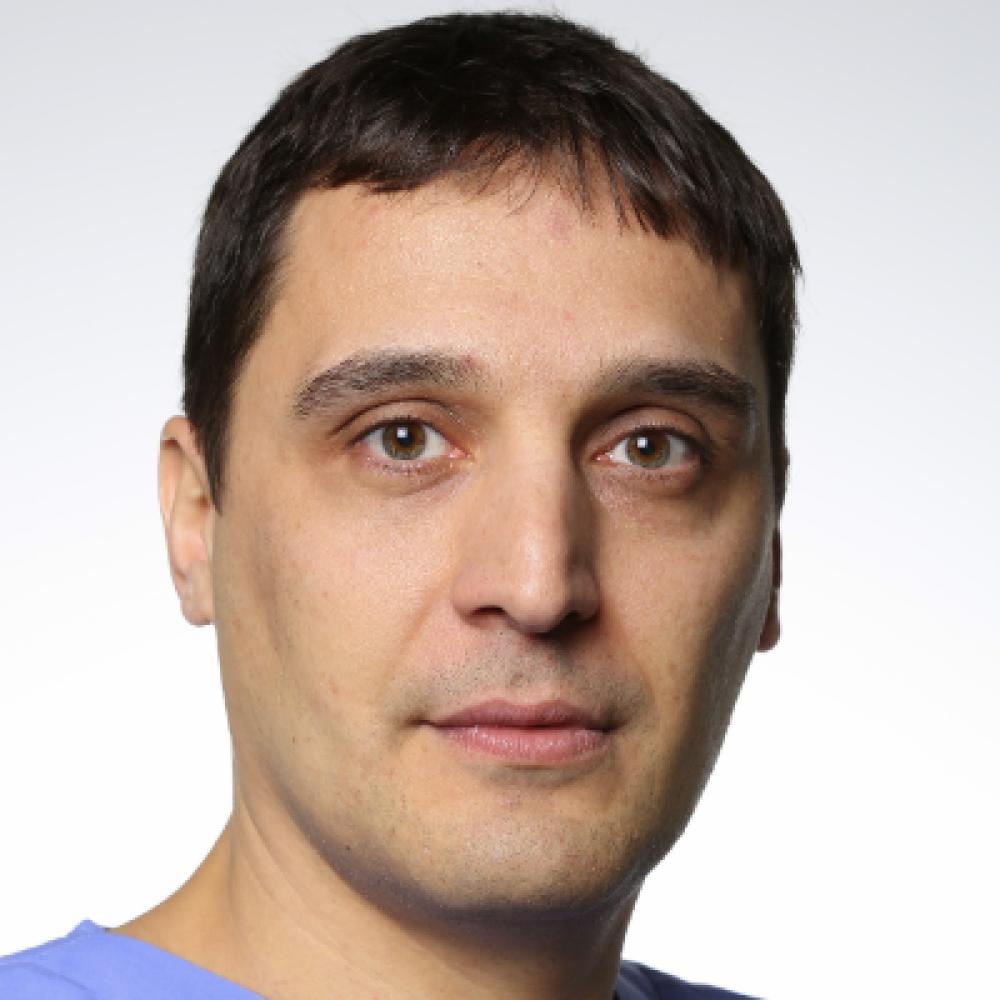



Venue: Online/Shanghai, China
Date: 27 Aug 2026 - 17 Dec 2027
GPCert in Ophthalmology
See the pricing tab
Get in touch
ACCREDITED BY:

This course is accredited by ISVPS and allows you to achieve a General Practitioner Certificate
Read More01 - The Retina, Vitreous and Optic Nerve
Key learning objectives:
-
Understand the normal anatomy of the retina, species differences in retinal vascular patterns and the pathological changes which can occur and their manifestation
-
Describe the process of chorioretinitis
-
Recognise both inherited and acquired retinopathies
-
Appreciate the anatomy of the vitreous, congenital and acquired conditions and different types of vitreal degeneration
-
Describe the anatomy and physiology of the normal optic nerve, explain congenital and acquired conditions of the optic nerve and understand the investigation of optic nerve disease
02 - Examination of the Eye
Key learning objectives:
-
Perform a confident ocular examination by using diagnostic ophthalmic instruments including focal illumination, the direct ophthalmoscope, indirect ophthalmoscope and slit lamp biomicroscope
-
Understand the different types of tonometry, including when and how to perform this technique.
-
Appreciate when and how to perform the more advanced techniques of gonioscopy and electroretinography
-
Revise diagnostic cytology, microbiology and biopsy sampling and appreciate the applications of the different methods of investigation
-
Review imaging techniques including ultrasound, radiography, CT and MRI
-
Describe a systematic approach to the investigation of ophthalmology cases including accurate record keeping and photography
03 - Anatomy and Physiology, Basic Embryology
Key learning objectives:
-
Understand basic ophthalmic embryology and post natal ocular development
-
Describe comprehensively the anatomy of the eye
-
Extend your understanding of ocular physiology including the tear film, aqueous production, lens metabolism and retinal physiology
-
Understand basic ocular immunology
04 - Ocular Therapeutics and Pharmacology
Key learning objectives:
-
Describe the principles of medicating the eye
-
Understand topical and systemic drug administration
-
Explain vehicles and preparations for ophthalmic drug administration
-
Appreciate classes of drugs
-
Choose the correct drug for common ophthalmic conditions
05 - The Orbit and Globe, Eyelids and Nictitans Membranes
Key learning objectives:
-
Describe the anatomy and clinical conditions involving the orbit, globe, eyelids and nictitans membranes (third eyelids)
-
Review the presenting signs of and differential diagnoses for congenital and acquired orbital disease
-
Understand the effect of facial conformation on globe and eyelid position and its associated effects
-
Appreciate breed predispositions and species differences
-
Become familiar with the aetiopathogenesis of proptosis and its treatment options
-
Recognise the different types of entropion and ectropion and their impact on ocular health
-
Understand the aetiopathogenesis of nictitans membrane disorders
06 - The Conjunctiva and Naso-lacrimal System
Key learning objectives:
-
Describe the anatomy of the conjunctiva and understand the aetiopathogenesis of conjunctival disease and its treatment
-
Perfect your knowledge of the nasolacrimal system and abnormalities that can affect it
-
Understand secretory and excretory components, normal lacrimation and the components of the pre-corneal tear film.
-
Appreciate kerato-conjunctivitis sicca
-
Discuss the problems associated with nasolacrimal drainage
07 - The Cornea, Sclera and Episclera
Key learning objectives:
-
Describe normal corneal anatomy
-
Review normal corneal healing and factors which can affect it
-
Understand how the cornea responds to insults
-
Discuss the different causes of corneal ulceration and its treatment
-
Explain non ulcerative corneal disease
-
Appreciate the anatomy of the episclera and sclera and understand the pathology which can affect these
08 - The Uveal Tract and Lens
Key learning objectives:
-
Recognise congenital and acquired defects involving the uveal tract and describe the presenting signs of anterior uveitis, posterior uveitis, panuveitis and the approach to diagnosis and treatment
-
Approach non neurological abnormalities of the pupil
-
Understand aqueous opacification
-
Describe the anatomy and physiology of the normal lens
-
Explain lenticular disease and the range of congenital and acquired disease that can affect the lens and understand cataractogenesis.
-
Be familiar with the approach to cataract surgery together with patient selection, aftercare and potential complications
-
Appreciate primary and secondary lens luxation
09 - Glaucoma and Neuro-Ophthalmology
Key learning objectives:
-
Describe the production and drainage of aqueous humour and the pathophysiology of the normotensive globe
-
Define glaucoma and understand the different types of primary and secondary glaucoma and species differences
-
Appreciate treatment options for glaucoma
-
Devise a logical approach to the investigation of neuro-ophthalmic problems and understand the relevant neurological pathways and the autonomic nerve supply
-
Recognise normal and abnormal nystagmus
-
Investigate and offer treatment options for blindness of central origin
-
Understand disorders of ocular motility
10 - Ocular Neoplasia and Ocular Manifestations of Systemic Disease
Key learning objectives:
-
Recognise primary and secondary ocular neoplasia and explain its management
-
Discuss the ocular manifestations of systemic disease including infectious, metabolic, nutritional, toxic immune mediated or vascular aetiologies
-
Understand the work up for suspected systemic disease
-
Appreciate treatment options for systemic disease in general practice
11 - The Histology and Pathology of the Eye, Inherited Ocular Diseases and a Problem-Solving Approach to Ocular Disease
Key Learning Objectives:
-
Appreciate the normal and pathological appearance of histological samples including the significance of abnormalities detected
-
Understand inherited ocular disease, the principles of genetics and modes of inheritance and pedigree data analysis.
-
Appreciate different methods of reducing such disease including eye testing schemes and genetic testing
-
Explain the different conditions which affect different breeds of dog
-
Clinically recognise congenital inherited conditions encountered such as collie eye anomaly, congenital cataract, retinal dysplasia, goniodysgenesis and persistent hyperplastic primary vitreous
-
Clinically recognise non-congenital inherited conditions such as hereditary cataract, primary lens luxation, generalised progressive retinal atrophy and retinal pigment epithelial dystrophy
-
Develop a problem-solving approach to ophthalmic cases
12 - Comparative Ophthalmology
掌握兔、鸟和爬行动物的眼部检查方法
对眼睛的进化有基本了解
了解眼部解剖结构的物种差异
熟悉兔、鸟和爬行动物中常见的疾病
讨论不同物种在眼部毒理学中的作用
13 - Ophthalmic Surgery I
Key Learning Objectives:
-
Recognise commonly used ophthalmic instruments and understand their use
-
Use loupes and understand operating microscopes for surgical magnification
-
Select appropriate suture material and needle designs
-
Discuss pre and post- operative care of surgical patients and appropriate anaesthetic regimes
-
Understand the basic surgical principles as they pertain to ophthalmic surgery
14 - Ophthalmic Surgery II
Key Learning Objectives:
-
Perform common surgical techniques for treating disease of the orbit, globe, eyelids, third eyelid, conjunctiva and cornea
-
Practise reconstructive eyelid surgery
-
Understand and perform different methods for enucleation
-
Appreciate the principles of intra ocular surgery
Venue: Online/Shanghai, China
Date: 27 Aug 2026 - 17 Dec 2027
GPCert in Ophthalmology
See the pricing tab
Get in touch
ACCREDITED BY:
This course is accredited by ISVPS and allows you to achieve a General Practitioner Certificate
Read MoreAvailable Plans
early
regular
Pricing Billing
眼科专科 regular price
| Payment Option | First Payment | Second Payment(s) | Total Payment |
|---|---|---|---|
| Deposit and Payment in Full | RMB 40900.00 | - | RMB 40900.00 |
| Deposit and 6 Monthly Payments | RMB 42536.00 | - | RMB 42536.00 |
Venue: Online/Shanghai, China
Date: 27 Aug 2026 - 17 Dec 2027
GPCert in Ophthalmology
See the pricing tab
Get in touch
ACCREDITED BY:
This course is accredited by ISVPS and allows you to achieve a General Practitioner Certificate
Read More