Vets Course
小动物外科专科
GPCert in Small Animal Surgery
ISVPS General Practitioner Certificate (GPCert)
- OVERVIEW
- PROGRAM
- PRICING
04 Sep 2026 - 15 Dec 2027
With thousands of veterinary surgeons worldwide choosing to progress their surgery skills with Improve Veterinary Education, the Small Animal Surgery programme will help you return your investment immediately!
The Small Animal Surgery Programme has been developed by a global team of surgical specialists. It covers soft tissue surgery and orthopaedic/spinal surgery over the two-year programme. Invest in your professional growth and see how you can gain the following benefits:
- Develop Expertise: Gain proficiency in key clinical procedures, including soft tissue, orthopaedic, and spinal surgery. Reduce the need for external referrals, and increase practice revenues and job satisfaction.
- Practical Training: Refine your surgical techniques in our state-of-the-art wet-lab facilities. Experience hands-on learning in small groups, using the latest equipment and fully equipped surgical theatres. Boost your confidence in a safe environment.
- Online Learning Platform: Access our purpose-built online platform, offering module notes and other supplementary materials. Enjoy a comprehensive learning programme.
Our extensive experience has enabled us to understand the specific needs of veterinary surgeons and tailor this programme accordingly. By investing in Improve Veterinary Education, you can expect a high return on your investment as you acquire new surgical skills and enhance your professional capabilities.
Tutors:

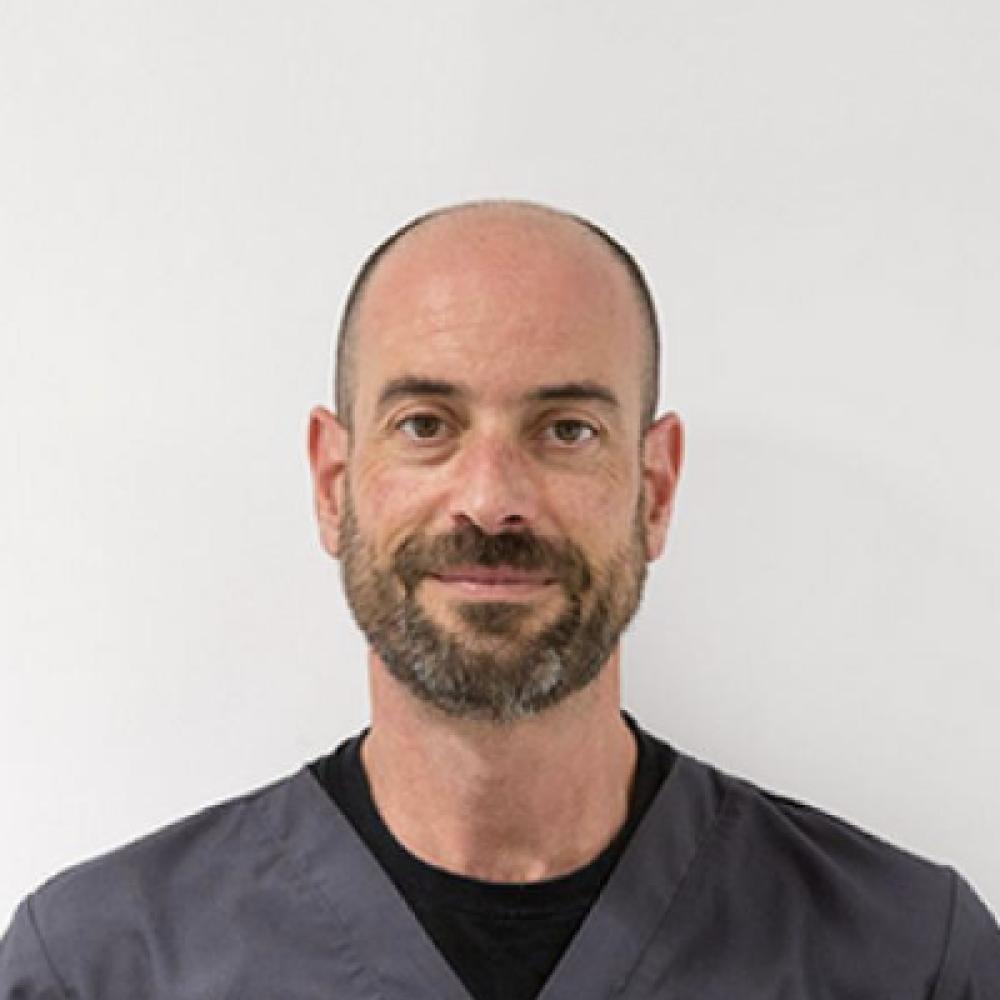




Venue: Online/Shanghai, China
Date: 04 Sep 2026 - 15 Dec 2027
GPCert in Small Animal Surgery
See the pricing tab
Get in touch
ACCREDITED BY:

This course is accredited by ISVPS and allows you to achieve a General Practitioner Certificate
Read More01 - Surgical Basics: Asepsis, Instrumentation, Operative techniques and Wound healing
Key Learning Objectives:
- Revise asepsis, sterilisation and appropriate antibiosis for surgical cases
- Expand your knowledge of instrumentation and instrument handling
- Become more familiar with the uses of suture, needles, staples and clips
- Understand the principles of wound healing and how this applies to your clinical cases
- Re-visit the principles of wound management and get up-to-date with what is available now
02 - Orthopaedics I – Decision Making in Fracture Repair
Key learning objectives:
- The initial assessment of the fracture patient
- Descriptions and applications of fracture classification
- Principles and decision making in fracture repair
- Methods of fracture fixation and implants, including plating and external fixation devices
03 - Orthopaedics II – Complications of Fracture Repair
Key learning objectives:
- The principles of fracture reduction, including both closed and open techniques
- Options for bone grafting including both cancellous and cortical grafts
- Approaches to the following complications: delayed union, non-union, mal-union and osteomyelitis
04 - Orthopaedics III – The Forelimb
Key learning objectives:
- Luxation, osteochondrosis, dysplasia, excision arthroplasty and fractures of the shoulder
- Luxations, developmental disease, un-united anconeal process and fractures of the elbow
- Developmental carpal disease, carpal hyperextension and arthrodesis, luxations and fractures of the carpus and foot Growth plate disorders
05 - Orthopaedics IV – The Hindlimb
Key learning objectives:
- Conditions of the hip, including dysplasia, luxations, arthroplasty and total hip replacement
- Pelvic fractures
- Femoral fractures
- Conditions of the stifle, including patellar luxation, osteochondrosis, fractures and cruciate rupture
- Conditions of the hock, including osteochondrosis, luxation and fractures
06 - Internal and External Skeletal Fixation
Key learning objectives:
- Radial Fracture - Surgical repair using a bone plate and screws
- Humeral Fracture - Surgical repair using an intramedullary pin and a bone plate and screws
- Femoral Fracture - Surgical repair using an intramedullary pin and a bone plate and screws
- External Fixation and Bone Grafting Practical Session:
- Cancellous bone grafting - Harvest cancellous bone from the proximal humerus
- Review external fixation equipment - Familiarise yourself with the pins, bars and clamps
- Tibial Fracture - Surgical repair with a type II linear frame
- Comminuted Radial Fracture - Surgical repair with a type Ib linear frame
07 - Joint and Fracture Surgery in the Forelimb - Practical Session
Key learning objectives:
- Perform a caudolateral and craniomedial approach to the shoulder joint
- Perform a biceps tenotomy
- Revise various elbow joint procedures
- Perform a medial and lateral approach to the elbow joint
- Perform a subtotal coronoidectomy
- Apply a lag screw fixation to fix the Ununited Anconeal Process (UAP)
- Execute a proximal/distal ulna osteotomy
08 - Joint and Fracture Surgery in the Hindlimb - Practical Session
Key learning objectives:
- Perform a craniodorsal approach to the hip
- Identify all the steps to correctly perform a femoral head ostectomy (FHNO)
- Approach to the stifle joint laterally
- Execute lateral fabello-tibial sutures
- Perform recession trochleoplasties
- Describe the key stages involved in a tibial tuberosity transposition procedure
09 - Spinal Surgery I
Key learning objectives:
- Integrate the principles of lesion localisation to your spinal cases via a systematic neurological examination and its’ interpretation
- Understand the application of neurodiagnostics
- Appreciate the approach to and management of paraplegia and tetraplegia
- Be familiar with the clinical approach to neurological emergencies, including cranial trauma and status epilepticus
10 - Spinal Surgery II
根据部位讨论脊柱手术的选择 颈椎 - 前侧开槽术 胸腰椎 - 半椎板切除术 腰骶椎 - 背侧椎板切除术 脑脊液穿刺和脊髓造影 - 确定获取脑脊液样本和进行诊断性脊髓造影的适当标志点
11 - Spinal Surgery III
Key Learning Objectives:
- Myelography
- Lumbar puncture and puncture of the cisterna magna
- Cervical disc surgery by ventral partial spondylectomy (""ventral slot"")
- Thoracolumbar hemilaminectomy
- Lumbosacral stenosis (DLSS) treated by dorsal laminectomy
12 - Surgical Oncology and Reconstructive Surgery
Key learning objectives:
- Revise the underlying principles of oncologic surgery to inform your surgical approaches to the most common tumours seen in practice
- Bring yourself up-to-date on all the treatment options for mast cell tumours
- Become comfortable with maxillectomy and mandibulectomy so you can approach oral tumours with more confidence
- Familiarise yourself with gastrointestinal tumours so you can optimise your patient’s outcome
- Recognise the differences between dogs and cats by learning about feline-specific tumours
13 - Surgery of the Upper Airways; Laryngeal and Tracheal surgery
Key learning objectives:
- Revise conditions of the nasal planum of the young and old to guide you when to operate
- The nasal sinuses – when does surgical access become necessary?
- Brachycephalic airway disease - a myriad of abnormalities
- Perfect your knowledge of the larynx to allow you to successfully treat a wide variety of surgical conditions - paralysis, collapse, trauma, stenosis and neoplasia
- Familiarise yourself with tracheotomy, tracheostomy, tracheal avulsion, collapse, resection/anastomosis, trauma, foreign bodies and neoplasia
14 - Reconstructive Surgery - Practical Session
Key Learning Objectives:
- Wound closure - Tension relieving techniques, management of ‘dog ears’
- Pedicle Flaps - advancement, rotational and transposition to help close the larger or trickier defects
- Muscle and omental flaps - using muscle in defects by practising the external abdominal oblique muscle flap
- Skin grafts - full thickness and stamp and how to maximise their chances of success
15 - Patient Assessment, Anaesthesia and Analgesia
Key Learning Objectives:
- Describe the advantages and disadvantages of different monitoring techniques.
- Evaluate and treat fluid and electrolyte imbalances.
- Develop anaesthetic protocols for healthy and high-risk patients.
- Understand the techniques used for stabilisation of patients in a critical state including CPR and treatments used in intensive care.
16 - Gastrointestinal Surgery I
Key Learning Objectives:
- Salivary gland diseases - mucocoeles, trauma, hypersialism, neoplasia
- Oesophageal disorders and the limitations of oesophageal surgery
- Gastrotomy and gastrectomy: there is more to surgery of the stomach than just GDV
- Small intestinal disease and how your decision-making can reduce complications - serosal and omental patching, obstructions and foreign bodies, neoplasia
17 - Gastrointestinal Surgery II
Key Learning Objectives:
- Large intestinal surgery and the differences between cats and dogs - Megacolon, rectal prolapse and stricture
- Surgical approaches to the rectum and anus - atresia ani, anal sac disease, anal furunculosis
- Liver surgery – suture, staples or electrosurgery
- Biliary tract surgery – anatomy and surgical options
- Pancreatic surgery
- Splenectomy – does it need removing and if so, which technique and what are the alternatives to removal?
18 - Urinary and Reproductive Tract Surgery
Key Learning Objectives:
- Understand the anatomy of the urinary tract
- Discuss the surgical options for obstructive diseases of the urinary tract –ureters, bladder and urethra
- Describe the approach to urinary tract trauma – kidneys, ureters, bladder and urethra
- Discuss treatment options for urinary incontinence, including colposuspension, TVT and urethral occluders
- Describe the surgical approach to neoplasia of the urinary tract
- Surgery of the male reproductive system – from prostatic omentalisation to penile and preputial procedures
- Procedures you can offer for the female reproductive system beyond ovariectomy and ovariohysterectomy
19 - Oral, Pharyngeal and Aural surgery
Key learning objectives:
- Surgery of the lips and cheeks, tongue and hard palate
- Maxilla/mandible – maxillectomy and mandibulectomy
- Pharyngeal surgery
- Tonsillar surgery
- The ear–lateral wall resection, vertical canal ablation, total canal ablation/lateral bulla osteotomy, ventral bulla osteotomy, haematomas
20 - Surgery of the Abdominal and Thoracic Cavities
Key learning objectives:
- Review and revise ruptures and hernias
- Hernias – hiatal, perineal, inguinal, umbilical, diaphragmatic, prepubic
- Peritonitis - going into the detail of the pathophysiology, clinical signs, diagnosis and treatment options
- Thoracic surgery:
- Big dog / little dog: who wins?
- Thoracostomy for pneumothorax, pyothorax and chylothorax – which tube?
- Thoracotomy – which side and which rib space?
- Lung Lobectomy – how many lobes can you take?
- PDA – is this still a surgical condition?
- Pericardectomy – how much should you take?
- PRAA – why does a regurgitating patient need a thoracotomy?
- Chylothorax – can you find the thoracic duct?
- Chest wall diseases – how far can you advance the diaphragm?
21 - Gastrointestinal and Urinary Tract Surgery - Practical Session
Key Learning Objectives:
- Oesophageal foreign bodies - Pre-op management, anaesthesia, surgical anatomy, surgical technique, post-op care and assessment
- Gastric dilatation volvulus - Temporary and permanent gastropexy
- Nephrectomy and nephrotomy - Partial nephrectomy, ureteronephrectomy, indications for nephrotomy
- Urethrostomy - Prescrotal, scrotal, perineal, prepubic
22 - Thoracic Surgery – Practical Session
Key learning objectives:
- Thoracotomy - A successful thoracotomy is all in the planning: Pre-operative assessment and preparation, intra-operative anatomy and surgical technique and post-operative care all work together to optimise outcomes
- Lung lobectomy – Partial and complete lobectomy: choosing which technique to perform and reducing the risk of air leakage post-operatively
- Pericardectomy – Understand the pros and cons of subtotal pericardectomy
- Patent ductus arteriosus (PDA) – These young patients require careful pre-operative management, controlled anaesthesia, precise surgical anatomical knowledge and technique, as well as appropriate post-operative care
23 - Head and Neck Surgery – Practical Session
Key learning objectives:
- Total ear canal ablation (TECA) and lateral bulla osteotomy - Suture materials and special instruments, post-op care and assessment, complications
- Ventral bulla osteotomy - Suture materials and special instruments, post-op care and assessment, complications
- Thyroid surgery - Thyroidectomy in the dog, thyroidectomy in the cat demonstration
- Unilateral arytenoid lateralisation - Pre-op management, anaesthesia, surgical anatomy, surgical technique, post-op care and assessment
Venue: Online/Shanghai, China
Date: 04 Sep 2026 - 15 Dec 2027
GPCert in Small Animal Surgery
See the pricing tab
Get in touch
ACCREDITED BY:
This course is accredited by ISVPS and allows you to achieve a General Practitioner Certificate
Read MoreAvailable Plans
early
regular
Pricing Billing
小动物外科专科 regular price
| Payment Option | First Payment | Second Payment(s) | Total Payment |
|---|---|---|---|
| Deposit and Payment in Full | RMB 71500.00 | - | RMB 71500.00 |
| Deposit and 6 Monthly Payments | RMB 74360.00 | - | RMB 74360.00 |
Venue: Online/Shanghai, China
Date: 04 Sep 2026 - 15 Dec 2027
GPCert in Small Animal Surgery
See the pricing tab
Get in touch
ACCREDITED BY:
This course is accredited by ISVPS and allows you to achieve a General Practitioner Certificate
Read More